Protecting Blue Skies by Reducing Air Pollution
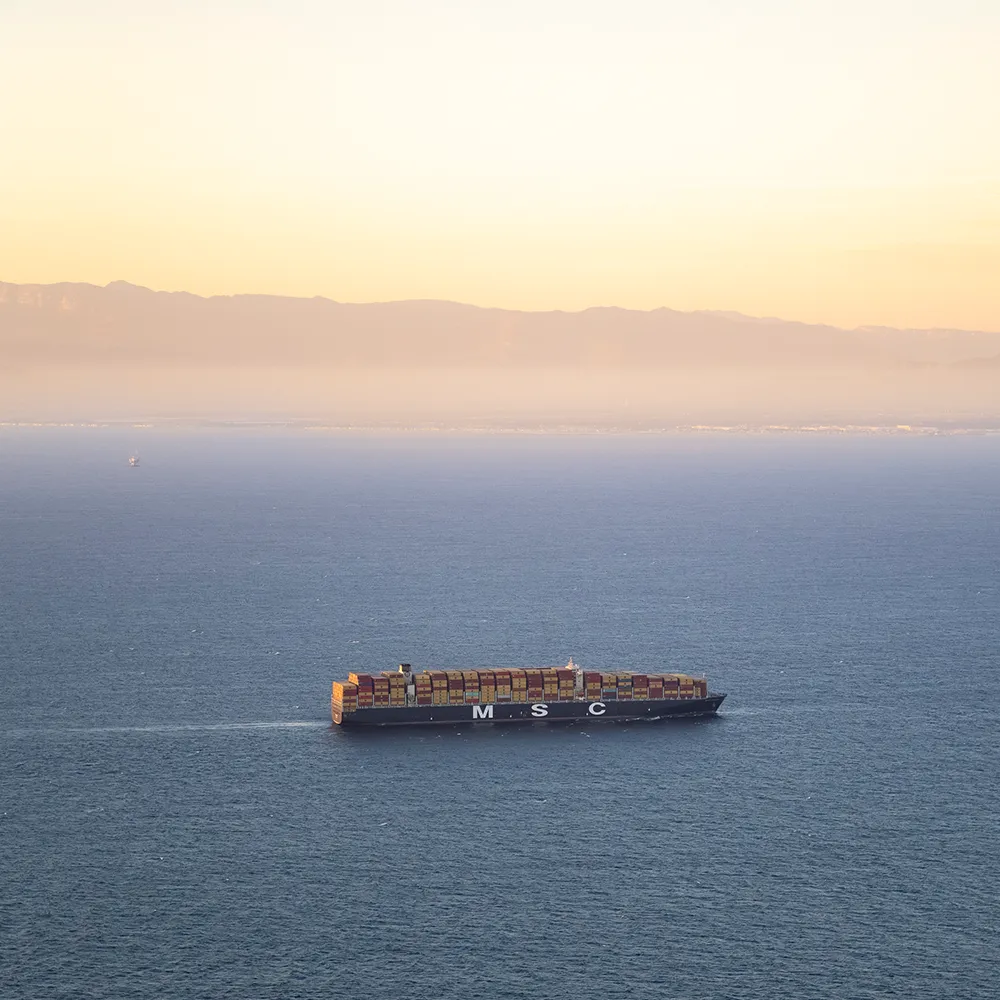
Reducing ship speeds significantly reduces one of the top sources of criteria air pollutants (notably NOx) impacting many coastal communities.

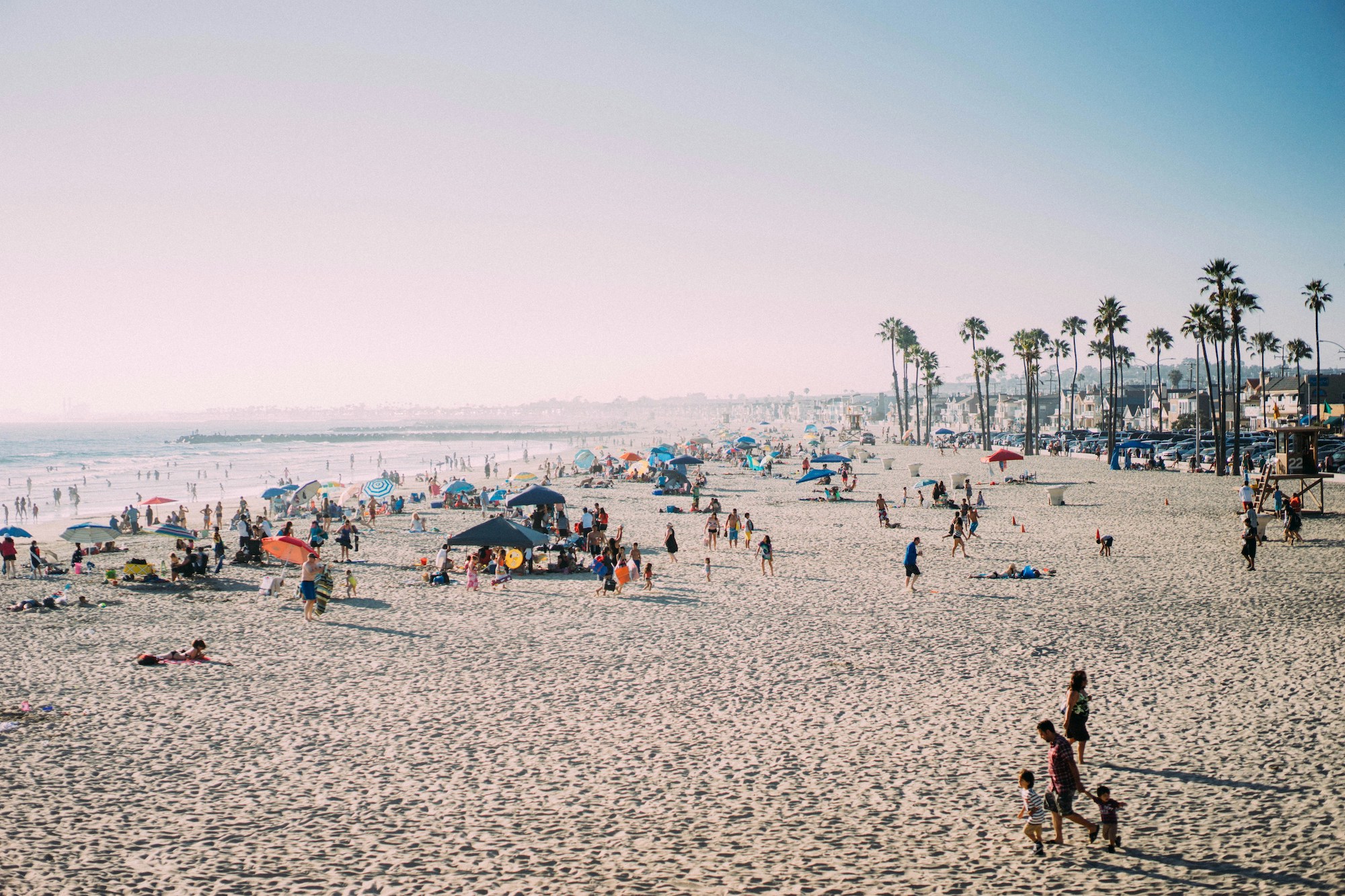

Photo: Herson Rodriguez
The Facts
From 2014-2025, the program reduced smog-forming NOx emissions by more than 7,390 tons and toxic diesel particulate matter by more than 44 tons.

The annual NOx reductions are equivalent to taking 900,000 cars off the road for a year.

A significant portion of ship emissions spreads into coastal communities. By reducing speed, ships help protect not only our blue skies but also the health of everyone who lives near the busy shipping lanes.
Ships burn less fuel when they reduce speed, which not only saves on fuel costs but also produces fewer smog-forming pollutants.
Peak Ozone & Peak Migratory Season
In California, peak ozone season happens to also coincide with peak migratory seasons for endangered whales. When ships reduce speeds to help protect whales, they also reduce air pollution, creating a win-win for marine wildlife protection and air quality for people living in coastal communities.
Cleaner Air & Safer Whales
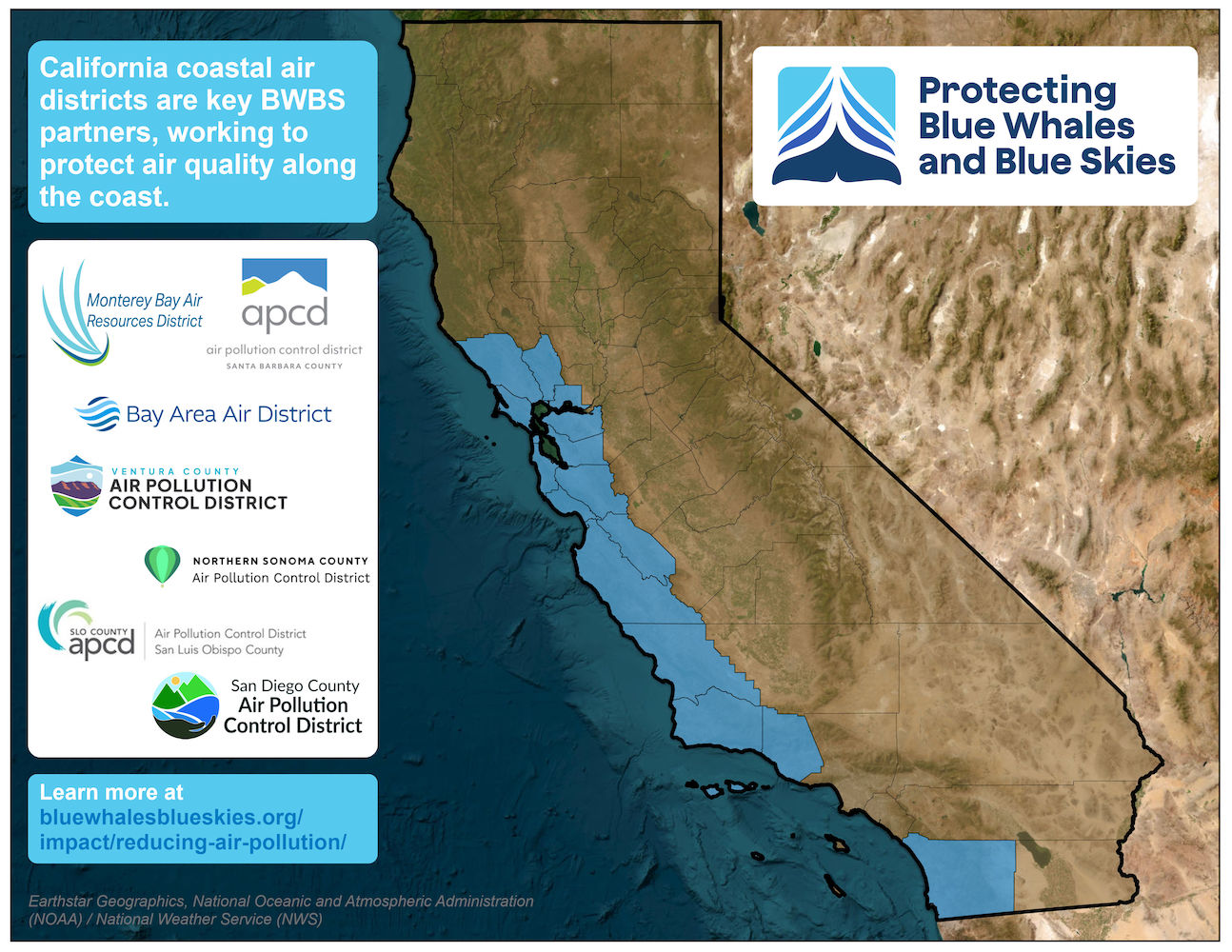
California Air District Partners






Coastal California air districts in the program protect blue skies and promote healthy communities in many ways. Click on the logos above to learn more about their mission and other programs.
Air Districts Have Been Involved Since the Beginning
The 2014 trial year included the Santa Barbara County Air Pollution Control District, Ventura County Air Pollution Control District, Channel Islands National Marine Sanctuary and the Environmental Defense Center. Both air districts faced challenges meeting the state standards for ground-level ozone, or smog. If cargo ships traveling along the coasts voluntarily slowed down fewer pollutants would be emitted and blown onshore.
And because a lower speed also benefits whales by reducing ship strikes and ocean noise, a successful coalition was born.
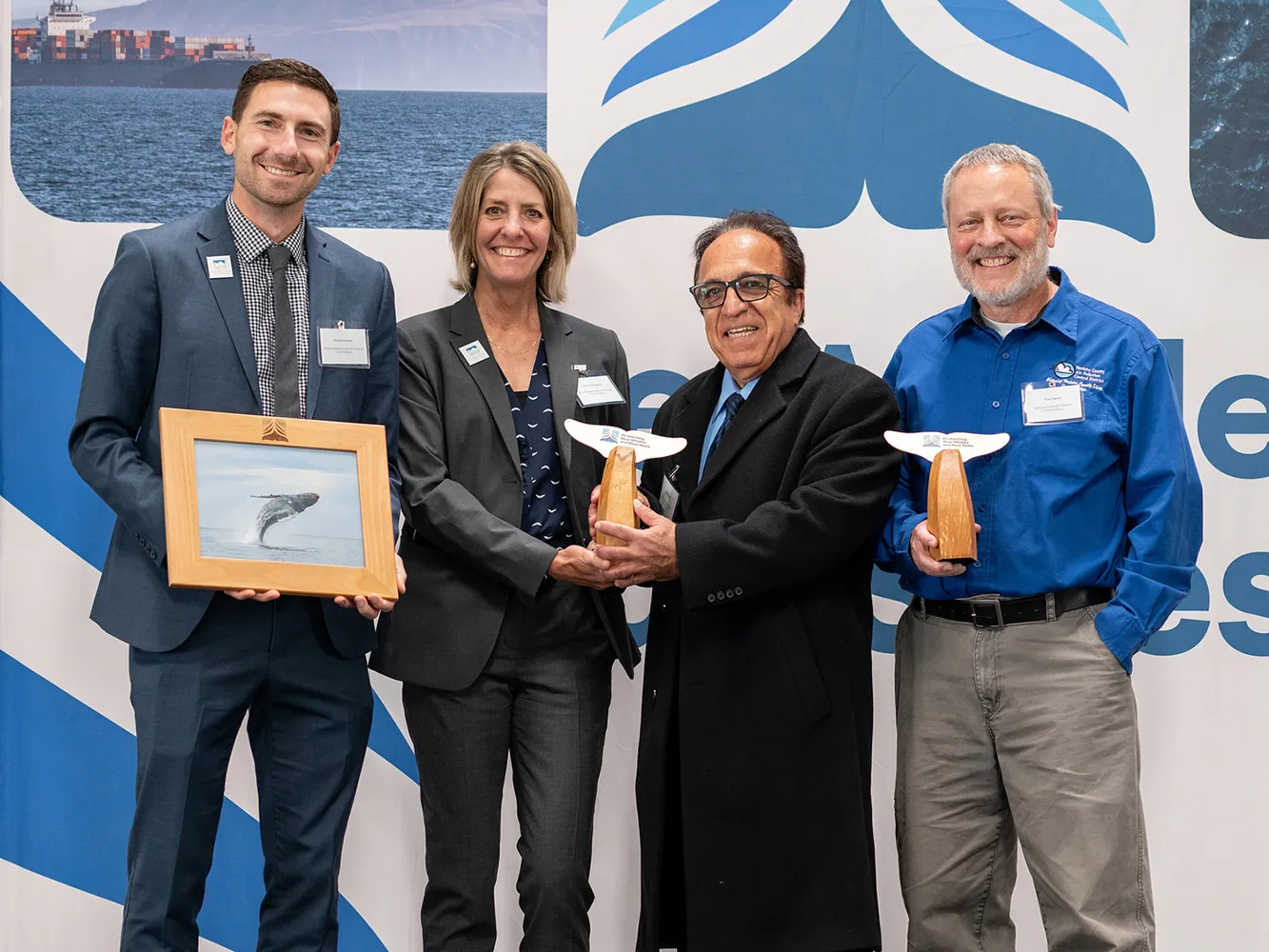
Photo: Katie Abbott Photography
Protecting Local Air Quality
In many cases, large ocean-going vessels traveling along the California coastline and into California’s ports contribute more than 50% of the air pollution California air districts are tasked to address. This pollution contributes to exceedances of ambient air quality standards designed to protect public health. Reducing ship speeds reduces the top sources of criteria air pollutants (notably smog-forming NOx) that impact many California communities.
Take Action to Reduce Air Pollution and Greenhouse Gas Emissions
Enroll your Fleet
Any company who operates container, car carrier, bulk cargo, or tanker vessels that pass through the Vessel Speed Reduction (VSR) Zones is eligible.
Photo: Ralph Clevenger Wildlife
Become An Ambassador
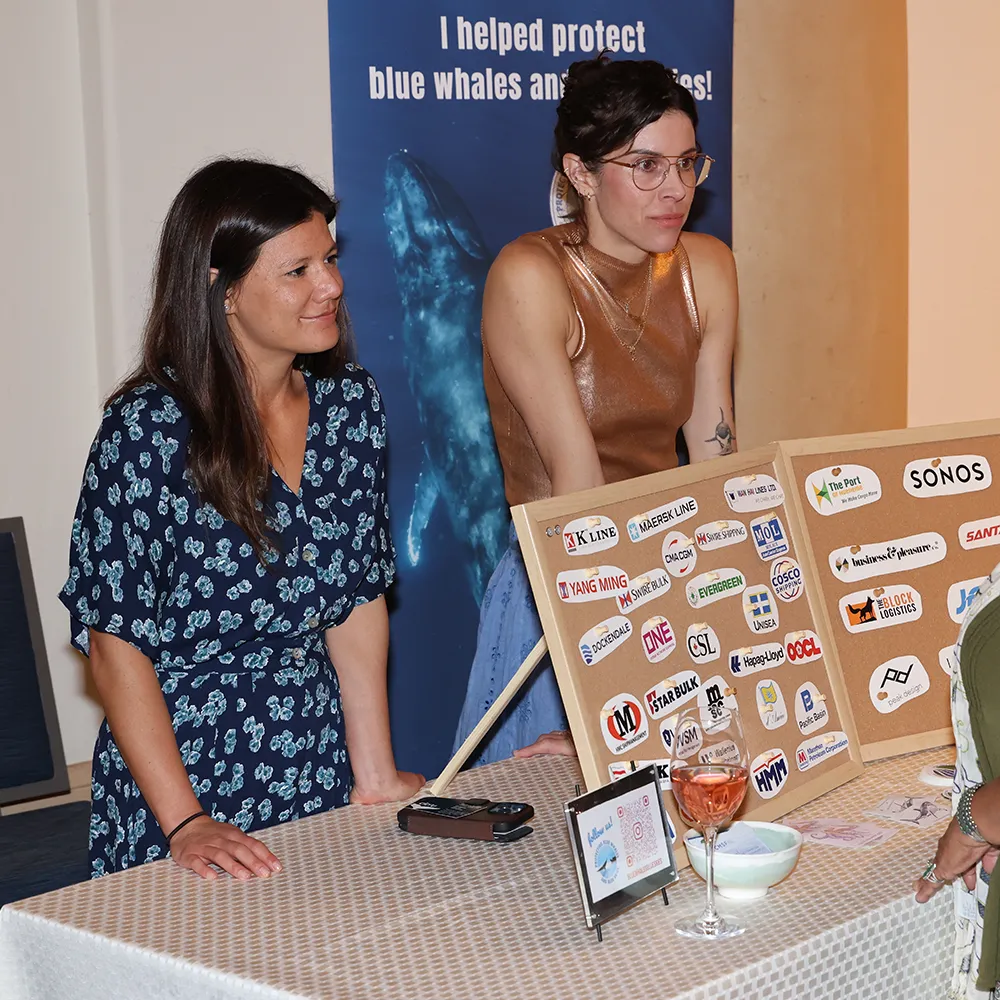
Any company that ships goods with, or works with one or more participating shipping line is eligible to join.
Get Involved
Supply chain practices matter for biodiversity and air quality. Support responsible shipping practices for cleaner coastal air, safer whales, and a quieter ocean.
Photo: Robert Schwemmer