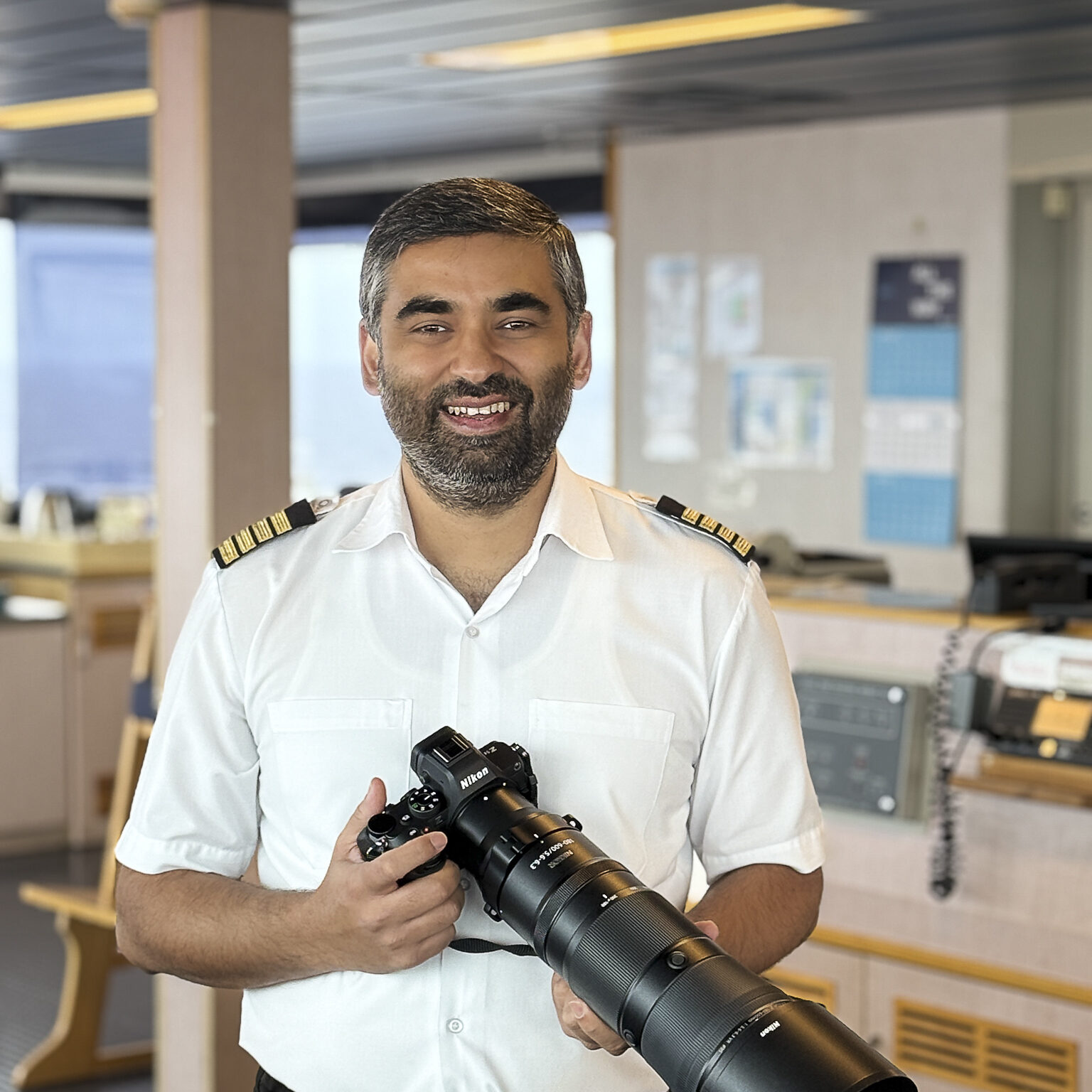
Captain Ravi Vijay Damley with Maersk
Captain Ravi Damley shares about his impressive hobby, passion for whales, what he loves about being a container ship captain, and the rare moments he’s witnessed at sea.
Share
As part of our program, Protecting Blue Whales and Blue Skies asks participating shipping lines to submit sightings reports and photos of any whales they see during their transits. This data is fed into sighting databases that are used to inform conservation strategies and to help alert mariners of high whale presence. Whale presence is not well documented far from shore where cargo ships are regularly traveling, so this information is extremely useful for improving our understanding of where and when whales are in the region. Because of this, we are so appreciative of the shipping lines, captains, and crew that prioritize participating in this effort, and today we’d like to highlight one of our most consistent contributors – Captain Ravi Vijay Damley!
Captain Damley’s photography, passion for whales, and the natural beauty that mariners uniquely experience on their long transits is an inspiration. We asked him a few questions and he was kind enough to share a bit about his impressive hobby, what he loves about being a container ship captain, the rare moments he’s witnessed (like the birth of a baby sperm whale!), and how photography keeps him connected to his family when at sea.
What drew you to becoming a Captain?
“My father was a Captain and I actually learned to walk onboard a ship, while sailing with him. What really pulled me in was the sense of adventure, the thrill of travel and the chance to witness new sights that few ever get to see.”
What is the job like and can you share any favorite parts?
“Being a captain of a container ship is both rewarding and demanding. It is about leading a team and making critical decisions daily (being isolated at sea). My favourite part, though, is the human factor – meeting new people regularly, gaining new insights and having unique experiences all over the world. Another thing I love is that it keeps me away from the confines of an office or stuck behind a computer screen. We fulfill a variety of roles in an environment that is constantly changing.”
What’s something about life at sea that many people might not realize or appreciate?
“Most people don’t realise how different life at sea is. Basic things – Like going out for a pizza, walking in a garden (or even seeing a tree), celebrating birthdays or festivals with family are luxuries for us. It is a high pressure role. Decisions carry great responsibility because the consequences can significantly impact lives, property and the marine environment.”
How many nautical miles or transits do you travel in a typical year?
“It depends on the routes the vessel is assigned to, but on average just under 50,000 nautical miles in a year. I sail for 6 months in a year in 2 contracts of 3 months each.”
How long have you been taking photographs, and are you self-taught or did you receive formal training?
“My passion for photography started when I realised I was experiencing beauty that many people could never imagine. My Uncle gifted me my 1st DSLR in 2012 and since then it has been a self-taught journey of constant learning. With every voyage, I try to capture the wonders of the Sea a little better than the last time.”
Anything else you’d like to share about your photography and interest in whales and marine life?
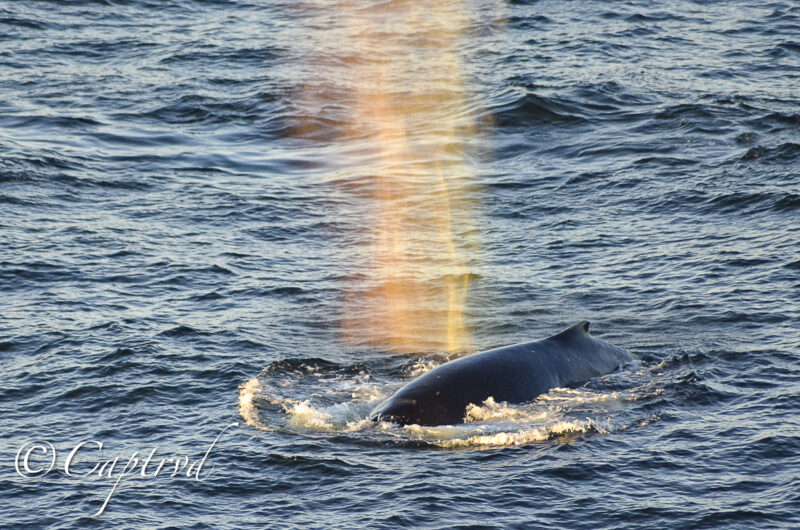
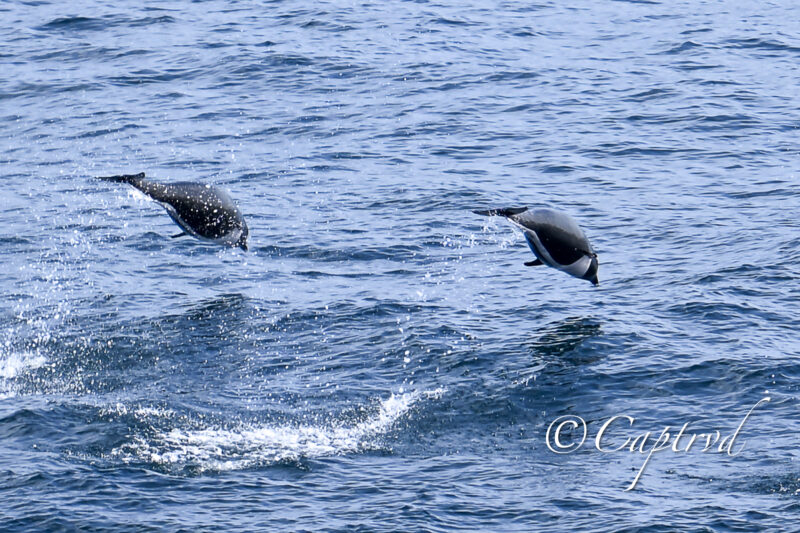
“My photographs allow my wife and son to be a part of my life at sea. My son believes his Dad is away on ship to take these cool pictures, as unfortunately he has to attend school. They get to share my experiences of seeing various forms of marine life, to sunrise at New York, to sunsets at Mount Fuji.”
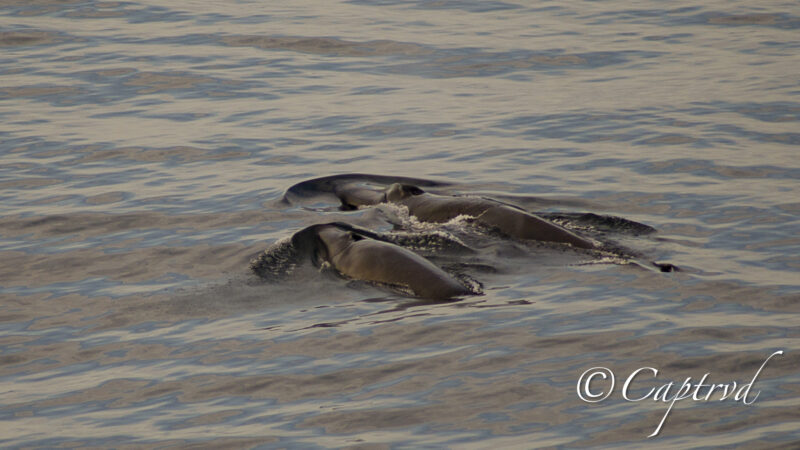
“I once read that less than 1% of the world’s population has ever seen a whale and that thought stayed with me. Out here, I’m privileged to see them. Their sheer size and presence command respect. One of my luckiest and most unforgettable moments was witnessing the birth of a sperm whale, which I later discovered was an incredibly rare sighting. Through my photography and whale sightings, I hope to raise awareness about the importance of protecting marine life. My goal is simple – to inspire people to experience the same thrill while contributing to research and conservation.” – Captain Ravi Vijay Damley

How do you and your team contribute to protecting the marine environment in your day to day work?
“Our daily decisions in vessel operation may have an environmental impact to the Sea. I am fortunate to work with Maersk, a company focused on doing all we can to get to net zero operations as fast as possible and to help our customers decarbonise their global supply chain end to end. Maersk has clear procedures on compliance with whale zones for speed reduction (including all voluntary zones). We onboard live this commitment every day – because protecting the oceans isn’t just a policy, it’s our duty.”
Why report whale sightings?
“We Seafarers spend more time at sea than anyone else, which puts us in an unique position to observe, record and share valuable data about marine life. I believe every whale sighting can contribute to a bigger picture for researchers and conservationists. There is so little information available on certain whale species. By inspiring seafarers to contribute their sightings, it could greatly benefit global marine conservation efforts.”
You can follow along Captain Damley’s journeys via his instagram at @captrvd.